Guides
Weight tracking and weight loss, explained
Plain answers to the questions people actually search, with worked examples and sources for every health claim.
Start here · 10 min read
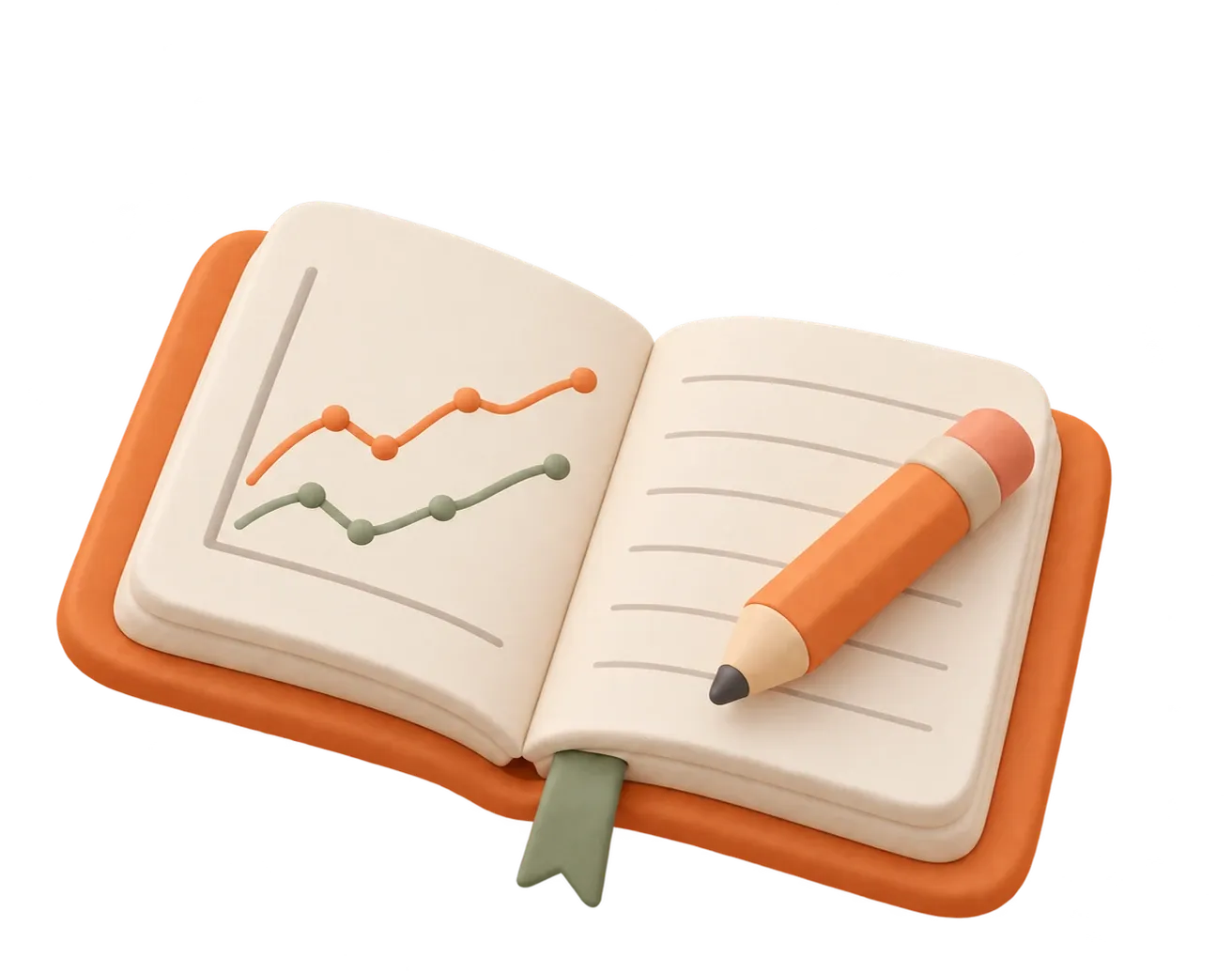
How to track your weight: a simple log and trend routine
A consistent setup, a rhythm you can keep, a two-week sample log, measures beyond the scale, and how to compare weeks.
Read the guide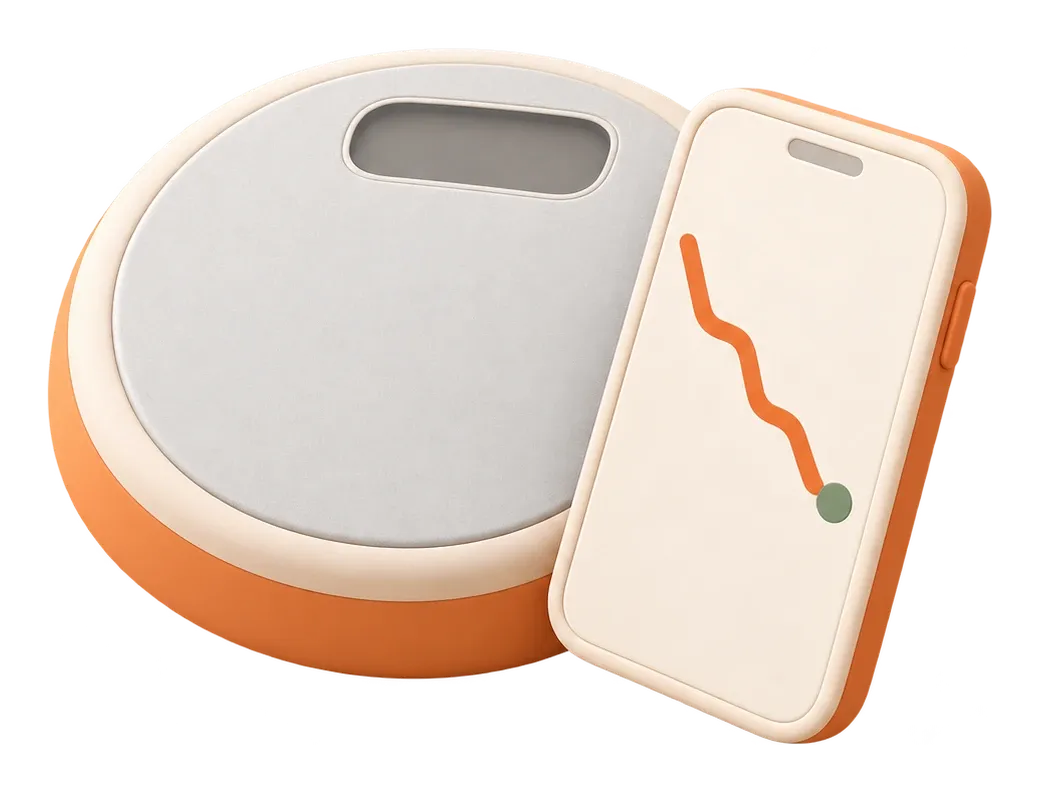
Weighing well
When, how often, and how to read the number.
The best time to weigh yourself, and how to do it right
Morning, after the bathroom, before breakfast: why it matters, the worst times to weigh, and which day of the week to pick.6 min readHow often should you weigh yourself?
What health guidance and research say about daily, weekly, and less frequent weigh-ins, and how to pick a rhythm.9 min read
Ups, downs, and plateaus
Why the scale moves without you changing anything, and what to do when it stops.
How much does weight fluctuate in a day?
Normal daily and weekly swings, the usual causes, why you weigh more at night, and how to see the trend through the noise.6 min readWater weight: what it is and why it changes
Why the scale jumps after salt or a period, how long water weight lasts, how to help it settle, and when swelling needs a doctor.7 min readPeriod weight gain: how much, when it starts, and when it goes away
How much the scale tends to rise around a period, when it starts and settles, why it is mostly water, and how to read your weigh-ins.7 min readWeight gain after exercise: why the scale goes up, and when it settles
Why you weigh more after working out or starting the gym, how long the water lasts, how fast muscle really grows, and when the gain is real.13 min readWeight loss plateau: why it happens and what helps
Why weight loss stalls after a few months, how to tell a real plateau from normal swings, and what health guidance says helps.7 min readThe whoosh effect: is it real, and what is behind a sudden drop?
Where the whoosh idea came from, what research says about water in fat cells, what really causes a sudden drop after a stall, and how to read the trend.13 min readWhy am I not losing weight?
How to check the scale has really stopped, the common reasons it has, and when a medicine or health condition may be involved.7 min read
Pace and goals
What weight to aim for, what a realistic month looks like, and how to make it fair with friends.
Healthy weight for height: chart for women and men
The healthy weight range for every height from 4′10″ to 6′6″ and 145 to 200 cm, the old ideal weight formulas, and what the chart misses.10 min readHow much weight can you lose in a month?
What a steady pace looks like in kilograms and pounds, why the scale will not move in a straight line, and how to set a goal you can keep.8 min readHow long does it take to lose 20 pounds?
Week ranges for 5 to 100 pounds and 5 to 30 kg at a steady pace, why the last pounds take longer, and how to plan your own date.7 min readHow long does it take to lose 30 pounds?
About 15 to 30 weeks at a steady pace: what your starting weight changes, the milestones on the way, and whether 30 pounds in 3 months is realistic.8 min readHow long does it take to lose 50 pounds?
About 25 to 50 weeks at a steady pace, why the second 25 pounds take longer than the first, milestones for a goal that lasts most of a year, and when to involve a doctor.9 min readHow to run a fair weight loss challenge with friends
Fair rules for different body sizes, scoring and length, weigh-in rules, prizes, and ideas for couples, friends, and offices.9 min read

Which guide do I need?
Start from the question you have.
- Why did my weight go up overnight?A normal daily swing, and how to read the trend instead.Weight fluctuation
- When should I weigh myself?The best time of day, and a routine that keeps readings fair.Best time to weigh yourself
- How long will my goal take?A realistic weekly pace, and dates for 10 to 50 pounds.How long to lose weight
- Why has the scale stopped moving?What causes a plateau, and what tends to get it moving.Weight loss plateau
- SourcedClaims link to the CDC, the NHS, NIDDK, Cleveland Clinic, and research.
- Worked examplesSample weeks, charts, and tables show the advice in real numbers.
- DatedEach guide shows when it was last updated, and lists its sources.
Work out your own numbers
Free calculators that go with the guides. No sign-up.
- Weight loss calculator by dateWhen you could reach a goal at a steady pace, or the pace a target date would need.Plan your goal
- Weight loss percentage calculatorHow much of your starting weight you have lost, and how far you are toward a goal.Work out your percentage
- BMI calculator with Asian BMI rangesYour BMI, the healthy weight range for your height, and how far you are from it.Check your BMI
- Waist-to-height ratio calculatorA quick check of weight around the middle, and the waist size that keeps you under half your height.Check your ratio
Questions
About the guides themselves. Each guide has its own questions on its page.
Which guide should I read first?
How to track your weight. It covers a consistent setup, a rhythm you can keep, and how to compare weeks, and it links to the other guides where they help.
Where do the numbers in the guides come from?
From health bodies such as the CDC, the NHS, and NIDDK, and from published studies. Every guide lists its sources at the end, with links.
Do I need the app to use the guides?
No. The guides and the calculators are free to read and use, with no account. The app is there if you want to keep your weigh-ins and see the trend between them.
Are the guides medical advice?
No. They explain published guidance for general information. For a health condition, a medicine, or a goal that is right for you, talk to a doctor.
Questions about the app itself?
Step-by-step help for logging, goals, Shared Goals, imports, widgets, reminders, and your account.